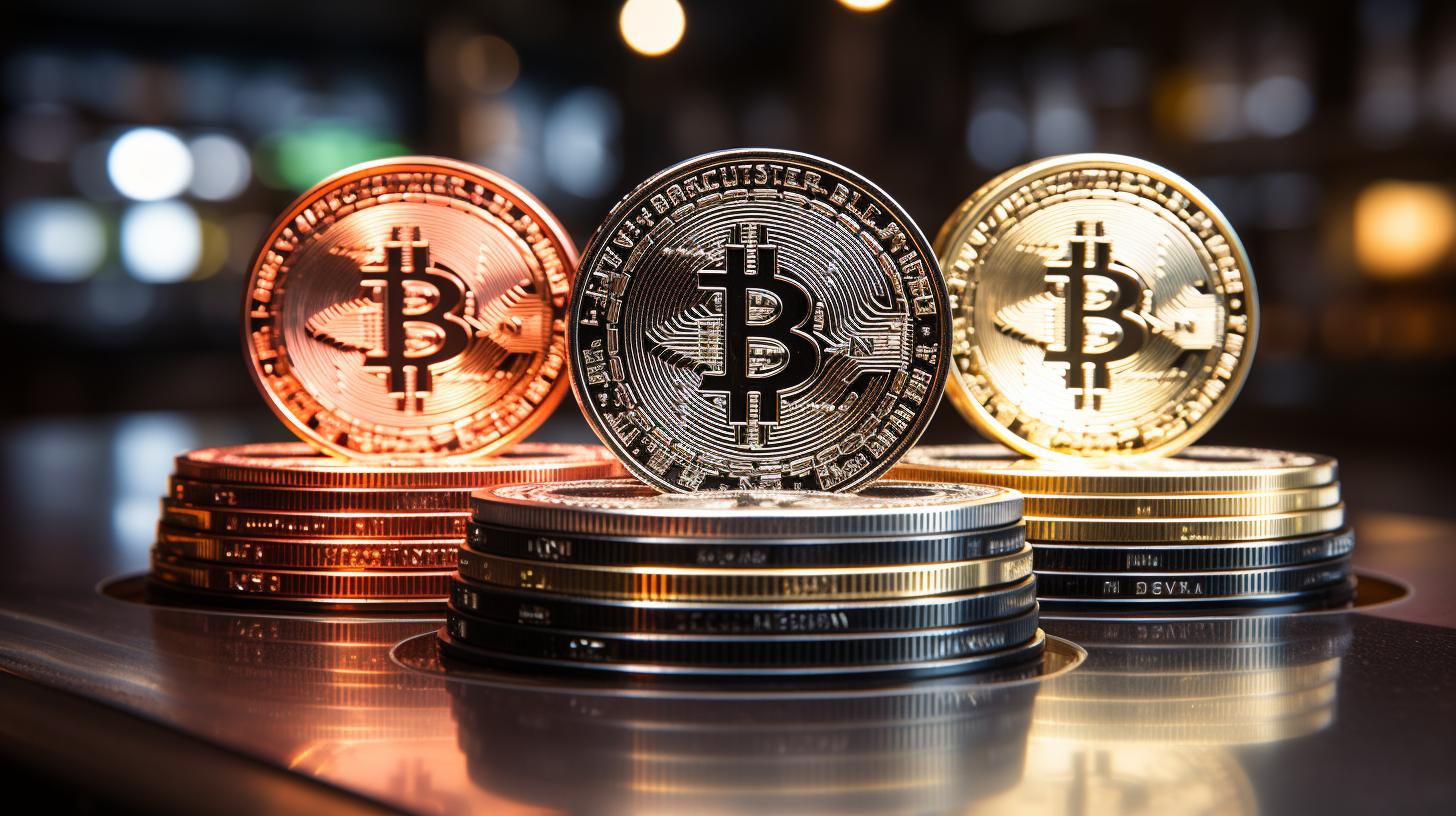
The economic landscape has been dramatically reshaped since the launch of Bitcoin in 2009, leading to the birth of an industry teeming with hundreds of crypto exchanges across the globe. From pioneering blockchain technology to enabling lightning-fast transactions and revolutionizing security protocols, these exchanges have left indelible footprints on the financial ecosystem. The staggering ascent of cryptocurrencies, along with their increasing acceptance by institutional investors, highlights the urgency to understand the intricacies of these cutting-edge platforms.
The Mechanics of Cryptocurrency Exchanges
Think of cryptocurrency exchanges as modern-day marketplaces where digital currencies are the goods. These platforms provide an avenue for trading digital currencies for other assets, including traditional fiat money or various digital currencies. They serve as the backbone of the crypto world, offering a stage for individuals and corporations to trade in digital currencies.
Diving into the Crypto World: Coinbase vs. Binance vs. Kraken
Let’s embark on an insightful exploration of three of the most sought-after crypto exchanges: Coinbase, Binance, and Kraken. Each comes with its unique set of advantages and challenges, providing a fascinating study for both crypto novices and seasoned investors.
Coinbase: A Gateway to the Crypto World
Nestled in the tech-savvy city of San Francisco, Coinbase is famed for its user-friendly interface, making it a preferred choice for crypto greenhorns. It accommodates a broad spectrum of cryptocurrencies and is one of the rare cryptocurrency exchanges listed on NASDAQ, thus offering an extra layer of transparency and regulation.
Nonetheless, Coinbase’s simplicity comes with its own price tag. It imposes higher transaction fees compared to its rivals, potentially dissuading frequent traders.
Binance: The Titan of Cryptocurrency Trading
Binance, born in China and currently operating out of the sunny shores of Malta, stands tall as the world’s leading cryptocurrency exchange by trading volume. It trumps Coinbase with a more extensive array of cryptocurrencies and competitive fees. Binance also takes the game up a notch with advanced trading features, including futures and options.
However, its intricate features can pose a challenge to beginners. Furthermore, due to its international operations, Binance’s regulatory framework isn’t as robust as Coinbase’s, adding an element of risk.
Kraken: Striking the Middle Ground
Also headquartered in San Francisco, Kraken deftly bridges the gap between the accessible Coinbase and the high-octane Binance. It features a wide range of cryptocurrencies and numerous fiat-to-crypto pairs, offering flexibility to both rookies and veteran traders.
On the flip side, while Kraken’s fees undercut those of Coinbase, they’re still eclipsed by Binance’s low costs. Kraken’s customer service has also been under fire in the past.
Securing the Vault: Measures to Protect Digital Assets
In the realm of digital assets, security takes center stage. All three exchanges invest significantly in cutting-edge security protocols to guard users’ assets and personal information. Notable measures include Two-Factor Authentication (2FA), cold storage of digital assets, and the encryption of personal data.
However, these fortifications are not impregnable. Case in point: Binance experienced a significant security breach in 2019, culminating in a loss of $40 million worth of Bitcoin. Thus, users must augment these safeguards with personal security measures, such as utilizing hardware wallets for sizable holdings.
Walking the Regulatory Tightrope
Regulatory oversight can vary greatly from one exchange to another. As a U.S. company with public trading status, Coinbase adheres to strict guidelines set by the SEC. Conversely, Binance, with its international operations, faces less rigid regulations. Kraken, though U.S.-based, sits somewhere in between, boasting a solid regulatory framework, albeit not as transparent as Coinbase’s.
Closing Thoughts
Selecting the ideal cryptocurrency exchange hinges on your individual needs and objectives. If you’re a beginner, you might find Coinbase’s user-friendly platform an excellent launching pad. Seasoned traders seeking low fees and advanced trading options might gravitate towards Binance. For those desiring a balanced approach, Kraken might be the perfect fit. Always weigh crucial factors like security, regulatory compliance, fees, and the range of available cryptocurrencies before zeroing in on an exchange.
Choosing a Cryptocurrency Exchange – Federal Trade Commission (FTC)
Treading the path of cryptocurrencies might seem intimidating, but with the right knowledge and prudent measures, it can open a world of exciting possibilities. As the crypto ecosystem continues to evolve, expect to witness a parallel transformation in the landscape of crypto exchanges. Stay tuned for more riveting updates from this dynamic sector.
FAQs
Each exchange’s liquidity is as unique as a Satoshi! It depends on user volume, the assets offered, and market activity. Top exchanges like Binance or Coinbase generally have deeper liquidity, ensuring seamless trading without drastic price shifts.
Market makers are like backstage heroes! They maintain liquidity by continuously buying and selling, keeping the gears of the crypto machine greased. More market makers on an exchange, less chance of slippage happening.
Transaction speed’s like mining—never quite predictable. It hinges on network congestion, block size, and even the miner’s whims! Remember, each exchange uses different infrastructures, causing a difference in speed.
Trading pairs are crucial! Think of them as cryptos’ version of language translators. More pairs mean more freedom to trade directly between different cryptos without the need to convert into a base currency first.
Oh, we wish! Decentralized exchanges, or DEXes, are still the new kids on the block. Many exchanges are centralized, running the show from behind the scenes. But the DeFi revolution is happening, so stay tuned!
Fee structures are like the exchange’s signature. Each exchange has a different blend of taker/maker fees, withdrawal fees, etc., usually balanced to attract a specific type of trader. It’s always worth checking this out before you dive in.
Well, wouldn’t that be a dream? Unfortunately, geopolitical factors play a role here. Some exchanges might be off-limits based on your geographical location due to regulations or licensing restrictions. Always HODL to local laws!
Not all exchanges are created equal, my friend! Some boast military-grade security, others are easier targets for those pesky hackers. Always DYOR about the exchange’s security measures before diving into the crypto pool.
